

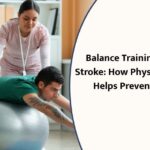


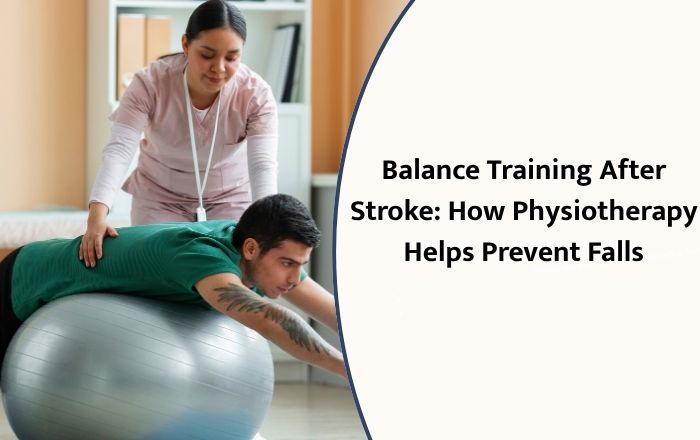
After a stroke, many people find that standing up, turning around or walking to the bathroom suddenly feels uncertain. A leg may feel heavy, one side may react more slowly, or the body may lean without warning. These changes make falls a real worry for stroke survivors and their families. Balance training after stroke is one of the main ways physiotherapy helps people move with more control and confidence.
Why Balance Is Affected After a Stroke
Good balance depends on the brain, muscles, joints, eyes and inner ear working together. A stroke damages part of the brain, so this teamwork can break down. The effects depend on where the stroke happened and how large it was, so no two recoveries look the same.
Common reasons for poor balance after a stroke include:
- Weakness on one side (hemiparesis), which makes it hard to put weight on the affected leg
- Reduced sensation in the foot or leg, so the ground does not feel clear underfoot
- Muscle stiffness or spasticity, which limits movement at the ankle, knee or hip
- Slower reactions, making it harder to recover from a trip or stumble
- Fatigue, which often makes balance worse later in the day
- Fear of falling, which can lead people to move less and lose more strength
How Balance Training After Stroke Helps Prevent Falls
Physiotherapy cannot remove every risk, but it can help lower the chance of a fall by rebuilding the skills the body needs to stay upright. The brain has an ability called neuroplasticity, which means it can form new connections and relearn movements over time with regular, focused practice. You can read more in our guide on what neuro physiotherapy is and how it helps.
Starting With a Detailed Assessment
Before exercises begin, the physiotherapist checks how the person sits, stands, walks and turns. They look at strength, joint movement, sensation, posture and steadiness with eyes open and closed. They also ask about past falls, medicines and the home setup, then set practical goals such as walking to the kitchen safely.
Common Balance Exercises in Stroke Rehabilitation
Exercises are chosen based on what the person can safely do, then progressed slowly. A programme may include:
- Sitting balance work: reaching forward and sideways while seated to build trunk control
- Sit to stand practice: rising from a chair with weight shared evenly on both legs
- Weight shifting: moving weight side to side and front to back while holding support
- Stepping practice: stepping forward, backward and sideways to prepare for real trips
- Strengthening: hip, thigh, calf and core exercises that support standing and walking
- Gait training: practising walking, turning and stopping, with or without a walking aid
- Dual task practice: walking while talking or carrying an object, as daily life demands
Walking Aids and Footwear Advice
Some people benefit from a walking stick, quad cane, walker or an ankle foot orthosis (a brace that supports the foot and ankle). The physiotherapist can advise whether an aid is needed, set the correct height and teach safe use. Closed, well fitting footwear with good grip is usually safer than loose slippers.
Learning What to Do After a Fall
Falls can still happen, even with good progress. Many programmes teach a safe way to get up from the floor, or how to call for help if getting up is not possible. Having a plan often reduces fear.
Fall Prevention Tips at Home
Most falls happen during ordinary routines. Small changes at home can help:
- Keep walkways clear of wires, loose rugs and clutter
- Use night lights between the bedroom and bathroom
- Fit grab bars near the toilet and bathing area, and use a non slip mat
- Sit on the edge of the bed for a moment before standing up
- Use a stable chair with armrests rather than a low sofa or plastic stool
- Ask your doctor to review any medicines that cause dizziness or drowsiness
Family members can help by walking on the weaker side and encouraging the person to do what they safely can.
How Long Does Balance Recovery Take?
There is no fixed timeline. Many people notice the quickest changes in the first few months after a stroke, but improvement can continue much later with regular practice. Progress depends on the severity of the stroke, other health conditions and how consistently exercises are done. Your physiotherapist will review progress and adjust the plan. To learn about newer approaches, see our article on how neuro physiotherapy is changing stroke recovery.
When to Speak to Your Doctor or Physiotherapist
Contact your healthcare team if you notice:
- More frequent falls or near falls
- New dizziness, weakness or numbness
- Increased stiffness or pain that limits walking
If symptoms appear suddenly, such as face drooping, arm weakness, slurred speech or a sudden loss of balance, call emergency services right away. These can be signs of another stroke.
Frequently Asked Questions
When can balance training start after a stroke?
It usually starts once the medical team confirms it is safe, sometimes while still in hospital. Early sessions focus on simple sitting and standing tasks.
Can balance exercises be done at home?
Yes, many exercises can be done at home once a physiotherapist has taught them and confirmed they suit you. Practise near a sturdy counter or with someone nearby.
Is balance training painful?
It should not be painful. Some muscle tiredness is normal, but sharp pain, dizziness or chest discomfort are signs to stop and inform your physiotherapist or doctor.
Will I always need a walking aid?
Not necessarily. Some people use an aid only during early recovery, while others find it keeps them safe and active long term. Your physiotherapist will review this as you progress.
How often should I practise balance exercises?
Regular practice matters more than long sessions. Your physiotherapist will suggest a routine matched to your energy levels.
Can balance improve years after a stroke?
Many people can still improve later in recovery, although results vary. A fresh assessment can show which areas may still respond to balance training after stroke.
Book a Balance Assessment in Magarpatta, Pune
If you or a family member feels unsteady after a stroke, an assessment is a sensible first step. Dr. Ranjeet Ghatge is a physiotherapist with a Bachelor of Physiotherapy (BPT) from DES Brijlal Jindal College of Physiotherapy, Pune. He offers neuro physiotherapy in Magarpatta for people recovering from stroke and other nervous system conditions, focusing on movement, strength and balance. His work also includes geriatric rehabilitation and exercise therapy.
You can learn more about Dr. Ranjeet Ghatge or contact the clinic to book an appointment. Call +91 7263810079 today to take the first step toward steadier, safer movement.
Racemous Polyclinic
Survey Number 137, Marvel Fuego, 5th Floor, 5150, Magarpatta Road, in front of Seasons Mall, Hadapsar, Pune 411028
Phone: +91 7263810079
Email: ghatgeranjeet2000@gmail.com